Request Quote
Scan the QR code below to connect with us on WhatsApp.

Request Quote
Scan the QR code below to connect with us on WhatsApp.
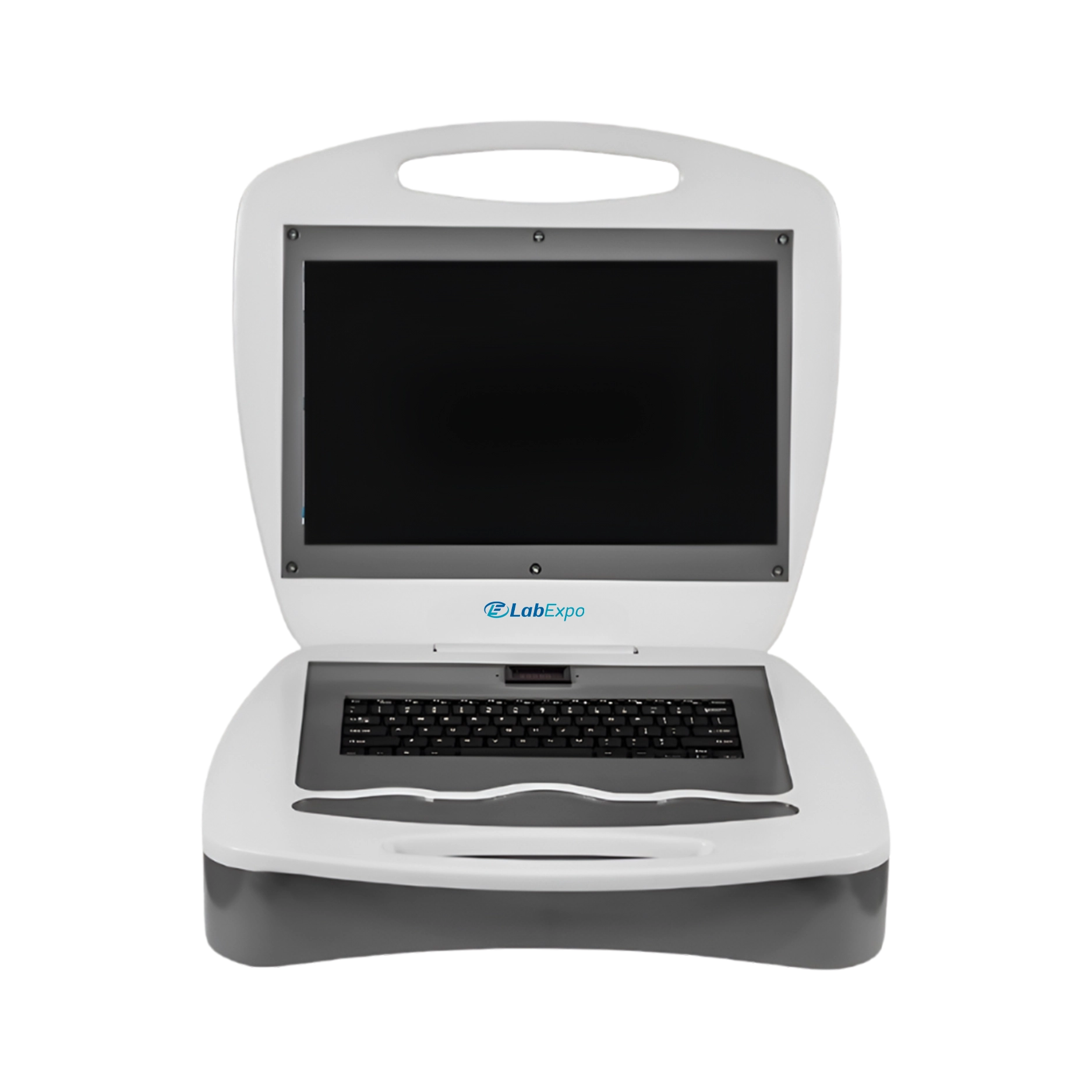
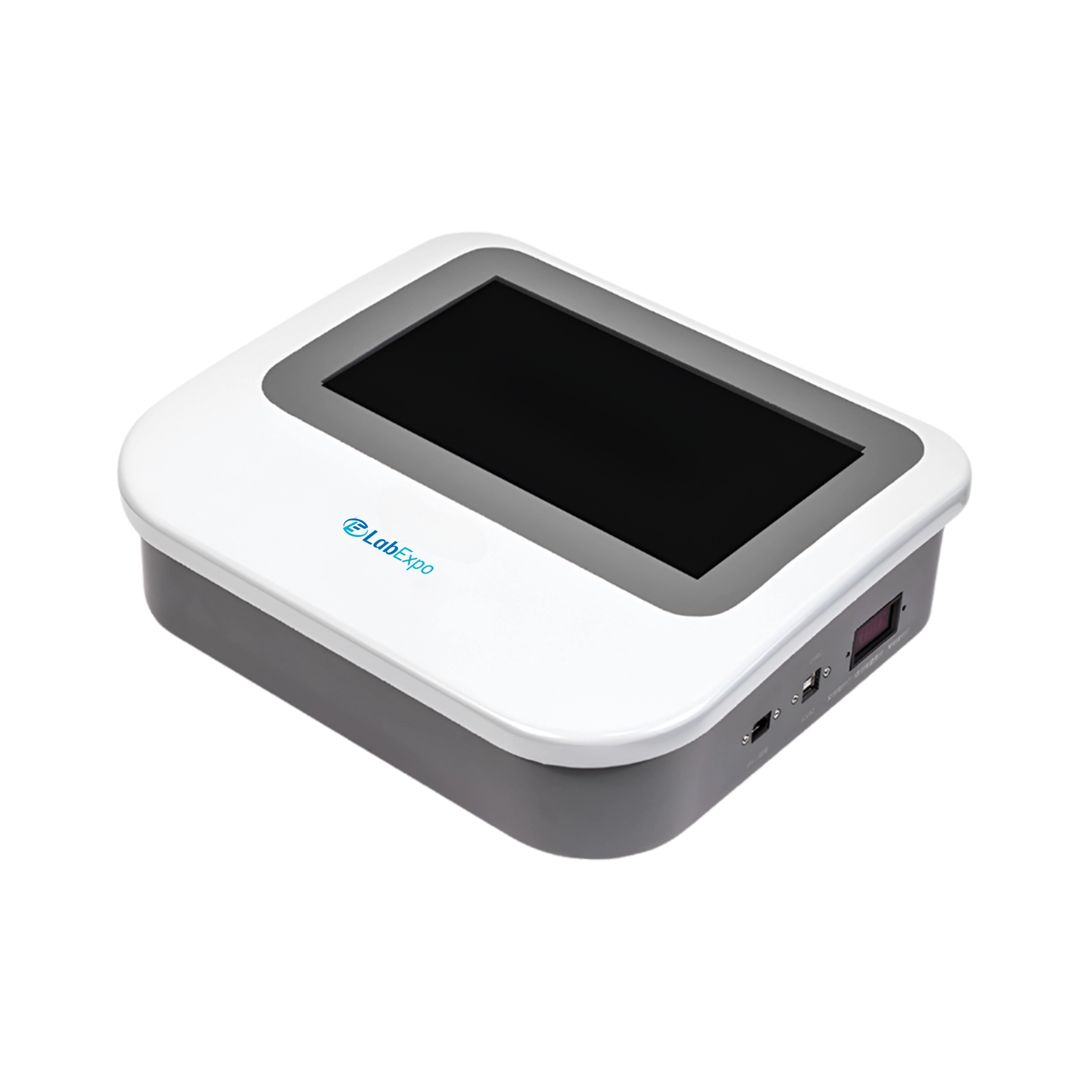
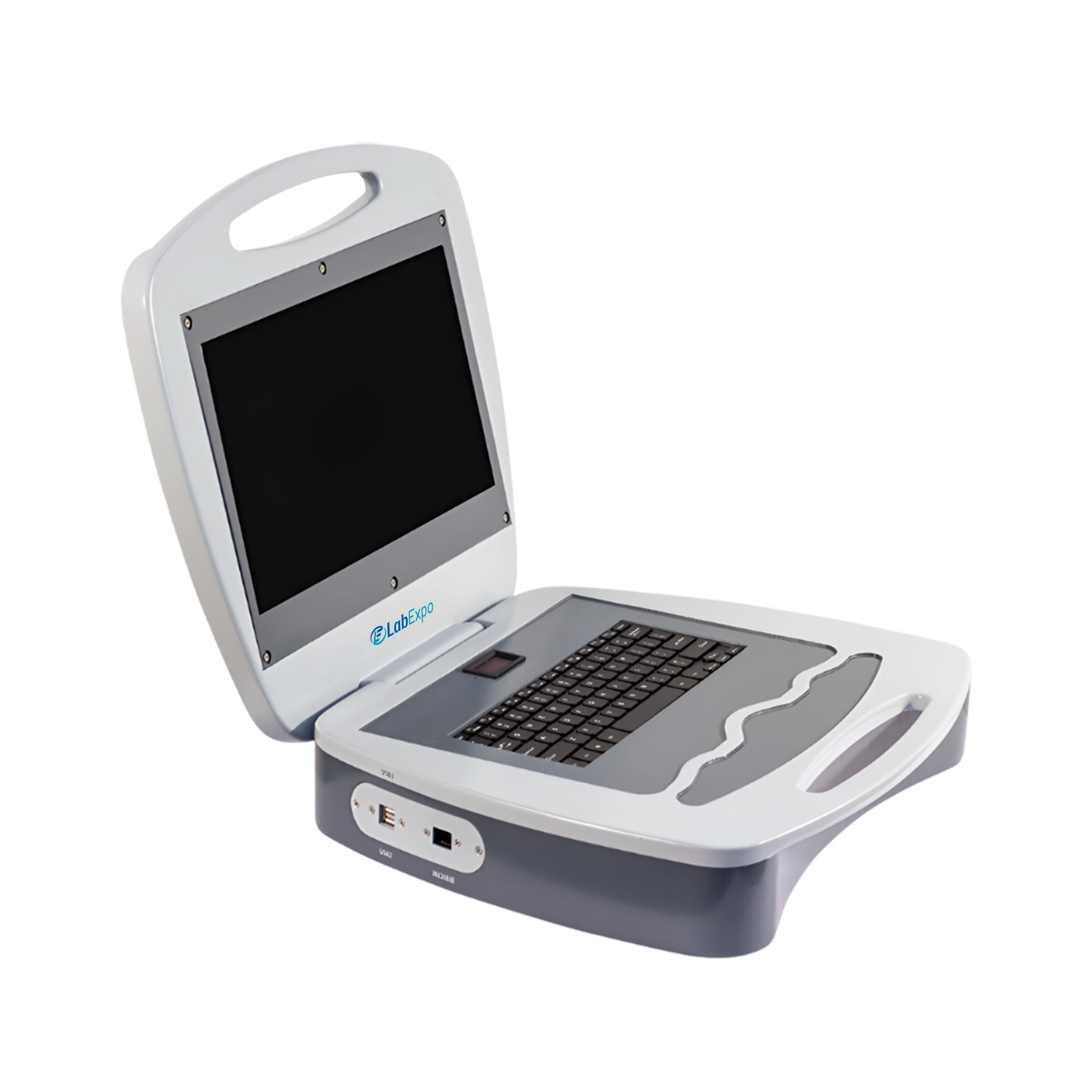
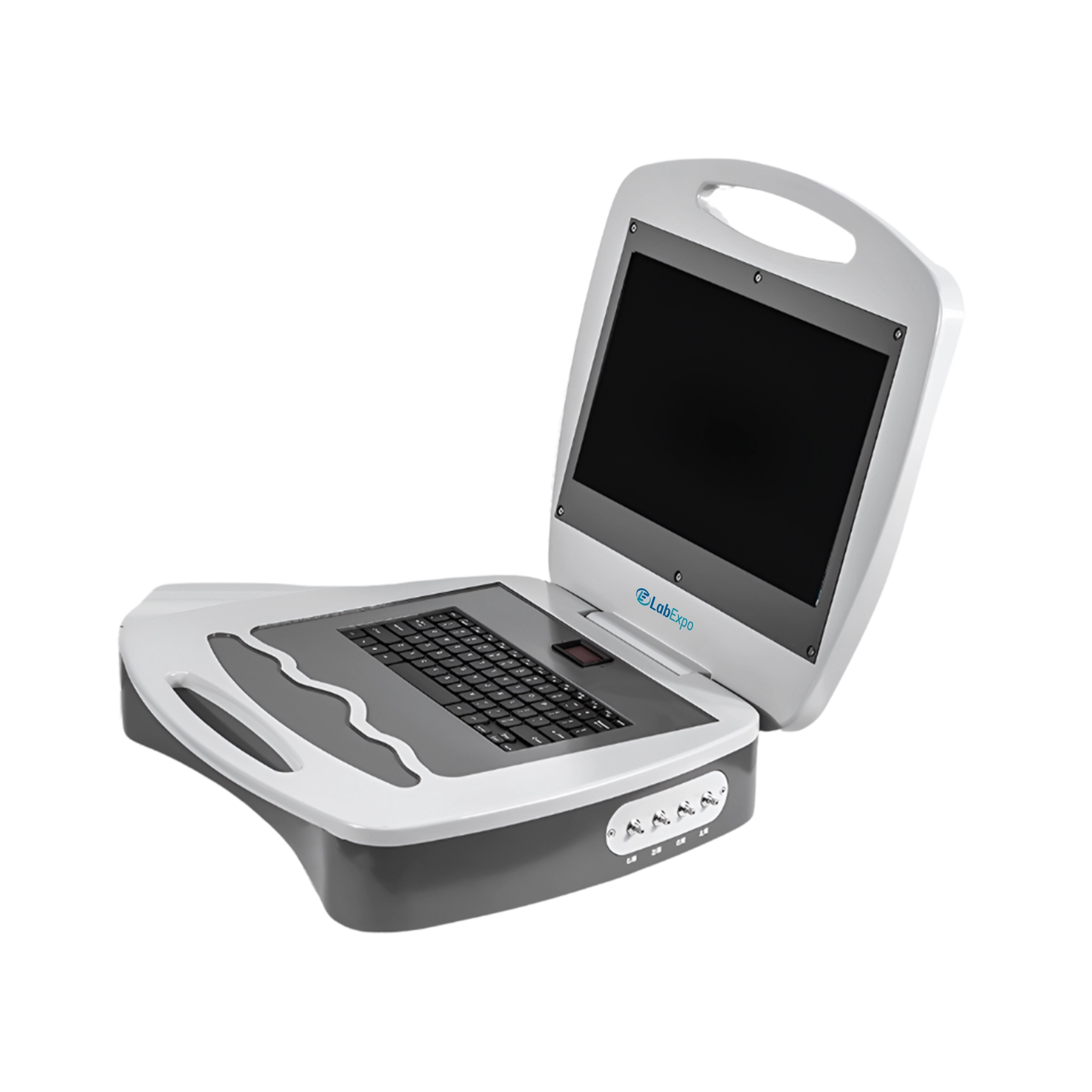
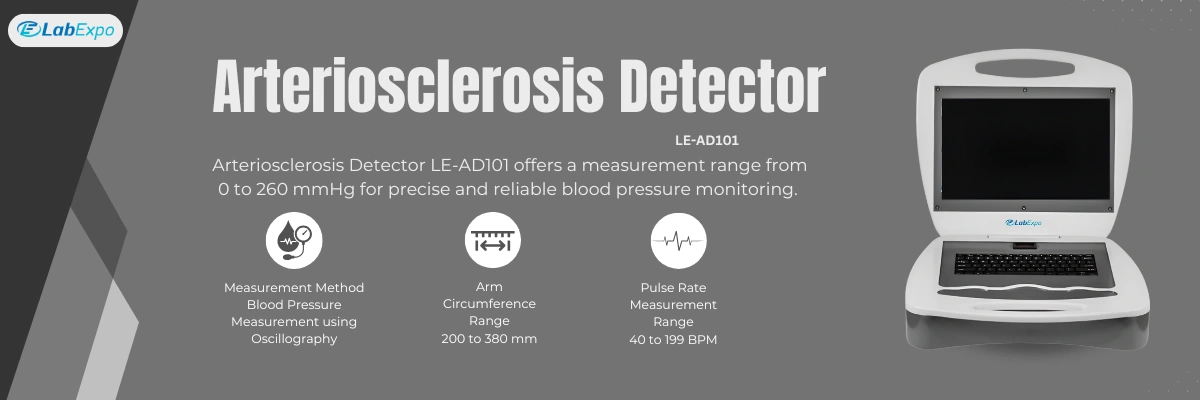
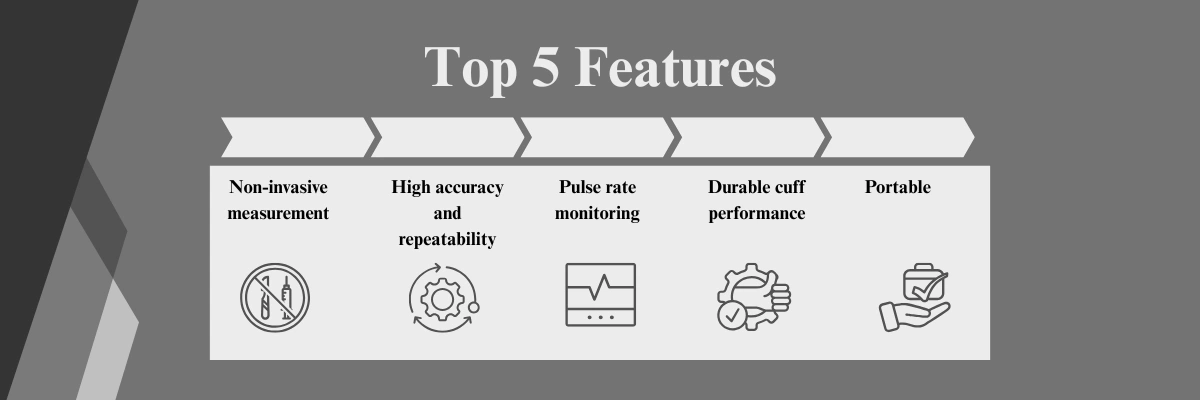
lab Expo Arteriosclerosis Detector LE-AD101 offers a measurement range from 0 to 260 mmHg for precise and reliable blood pressure monitoring. It features multiple vascular readings to provide comprehensive insights into circulatory health. Incorporated with four pressure modules and long-lasting cuffs tested for 8,000 cycles, it delivers reliable performance. Built-in 12.1-inch HD LCD screen provides intuitive interface for user-friendly operation. Our Arteriosclerosis Detector is ideal for use in a wide range of clinics and healthcare centers.
$9,895.00 $ 8246
| Measurement Parameters | BaPWV (Brachial-Ankle Pulse Wave Velocity)ABI (Ankle Brachial Index)BAI (Brachial-Ankle Index)PVR (Pulse Volume Recording)SBP (Systolic Blood Pressure)DBP (Diastolic Blood Pressure)MAP (Mean Blood Pressure)PP(Pulse Pressure) |
| Measurement Method | Blood Pressure Measurement using Oscillography |
| Pressurization Method | Synchronized Pressurization of Limbs |
| Measurement Location | Limbs(Ankles, Brachial Arms) |
| Arm Circumference Range | 200 to 380 mm |
| Lower Limb Width Range | 160 to 330 mm |
| Blood Pressure Measurement Range | 0 to 260 mmHg |
| Pulse Rate Measurement Range | 40 to 199 BPM |
| Blood Pressure Module Accuracy | ±3 mmHg |
| Measurement Accuracy | |
| Repeatability | |
| Number of Blood Pressure Modules | 4 |
| Number of Cuff Cycles | 8000 Inflation and Deflation Cycles |
| Display | 12.1-inch HD LCD Screen |
| Battery Capacity | 5200 mAh Lithium Battery |
| Battery Working Time | Up to 3 Hours |
| Power Supply | 115VA, Voltage 220V |
| Dimension | 450 × 410 × 120 mm |
| Weight | 7.8 Kg |
Function Implementation Clinical blood pressure labs 0 to 260 mmHg range supports comprehensive vascular screening Vascular assessment centers <0.4 kPa(±3 mmHg) accuracy ensures repeatable diagnostic measurements Point-of-care testing units Up to 3 Hours battery working time enables mobile examinations Multi-site healthcare networks 8000 Inflation and Deflation Cycles cuff durability sustains high-volume use Portable field diagnostics 7.8 Kg weight facilitates transport between examination rooms
Industrial control computer system- 1
High definition color LED display- 1
Logictech wireless mouth- 1
Logictech wireless keyboard- 1
Cuff extension cable- 1
Limbs Cuff- 1
PSB(3C) power cable- 1
1: What is the Arteriosclerosis Detector LE-AD101 used for?
Our Arteriosclerosis Detector LE-AD101 is designed to monitor blood pressure and assess arterial stiffness, helping users detect early signs of arteriosclerosis (hardening of the arteries).
2: What makes the Arteriosclerosis Detector different from standard blood pressure monitors?
It is a multi-functional vascular health monitor featuring four pressure modules for enhanced measurement precision. It also includes durable cuffs tested for up to 8,000 use cycles, making it ideal for long-term, high-frequency use.
3: What kind of display does the Arteriosclerosis Detector feature?
It comes equipped with a built-in 12.1-inch HD LCD screen, offering a large, high-resolution display for easy reading and intuitive interaction.
4: Why is synchronized limb pressurization important?
Simultaneous pressurization ensures that readings from different limbs are taken under identical physiological conditions, improving diagnostic accuracy when comparing blood pressure and arterial stiffness across limbs.
5: What does 8000 inflation and deflation cycles mean?
This refers to the tested durability of the cuffs included with the Arteriosclerosis Detector. Each cuff is designed to withstand up to 8,000 full inflation and deflation cycles without performance degradation, ensuring long-term reliability.
6: Who can benefit most from multiple vascular readings?
This feature is especially useful for patients with hypertension or diabetes, individuals at risk of cardiovascular disease, elderly users, clinics and wellness centres conducting vascular health screenings.
7: What is an Arteriosclerosis Detector used for?
An Arteriosclerosis Detector is used to evaluate vascular health by assessing the stiffness and elasticity of arteries. It helps detect early signs of arteriosclerosis in a non-invasive manner.
8: How does the Arteriosclerosis Detector provide quick vascular assessments?
The device utilizes automated measurement protocols and advanced sensors to capture arterial data within minutes, enabling fast yet accurate assessment of vascular health.
9: How does the user-friendly interface simplify operation?
The interface includes intuitive touchscreens, simple menu navigation, and guided prompts that make operation easy even for first-time users or non-specialists.
10: Can the device be used in point-of-care environments?
Yes, its portability and ease of use make it ideal for point-of-care testing, where fast and reliable assessments are needed without a complex setup.
11: What makes the cuffs on your Arteriosclerosis Detector durable?
The cuffs are made from high-quality, medical-grade materials that resist wear and tear, ensuring long-term use even under frequent or intensive conditions.
Lab Expo Arteriosclerosis Detectors are designed for non-invasive vascular assessment, supporting evaluation of arterial stiffness and peripheral circulation. These systems measure parameters such as BaPWV, ABI, and BAI using automated detection methods. Configured with digital interfaces and integrated analysis, they assist in cardiovascular screening, clinical diagnostics, and routine patient monitoring across medical settings.


