Request Quote
Scan the QR code below to connect with us on WhatsApp.

Request Quote
Scan the QR code below to connect with us on WhatsApp.
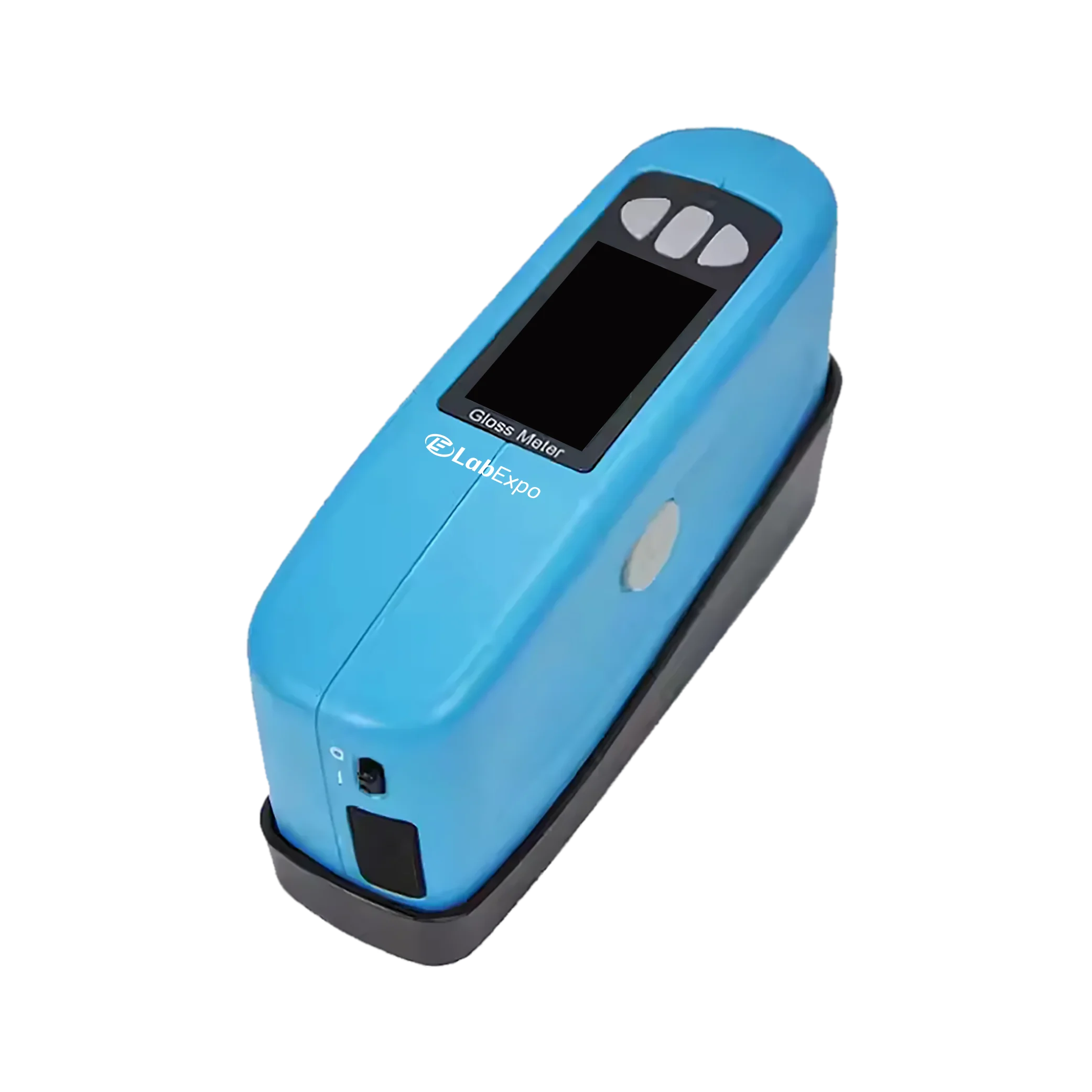
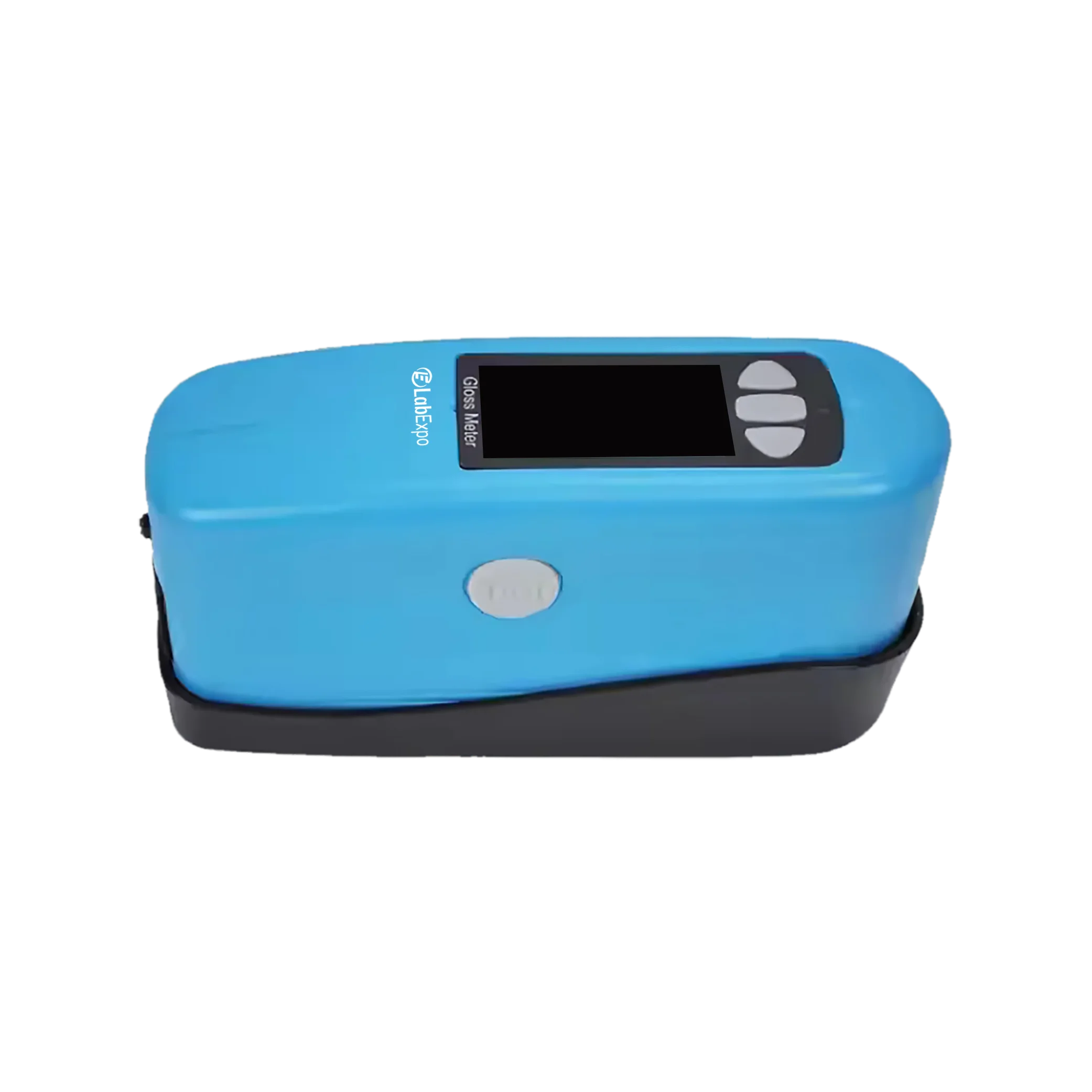
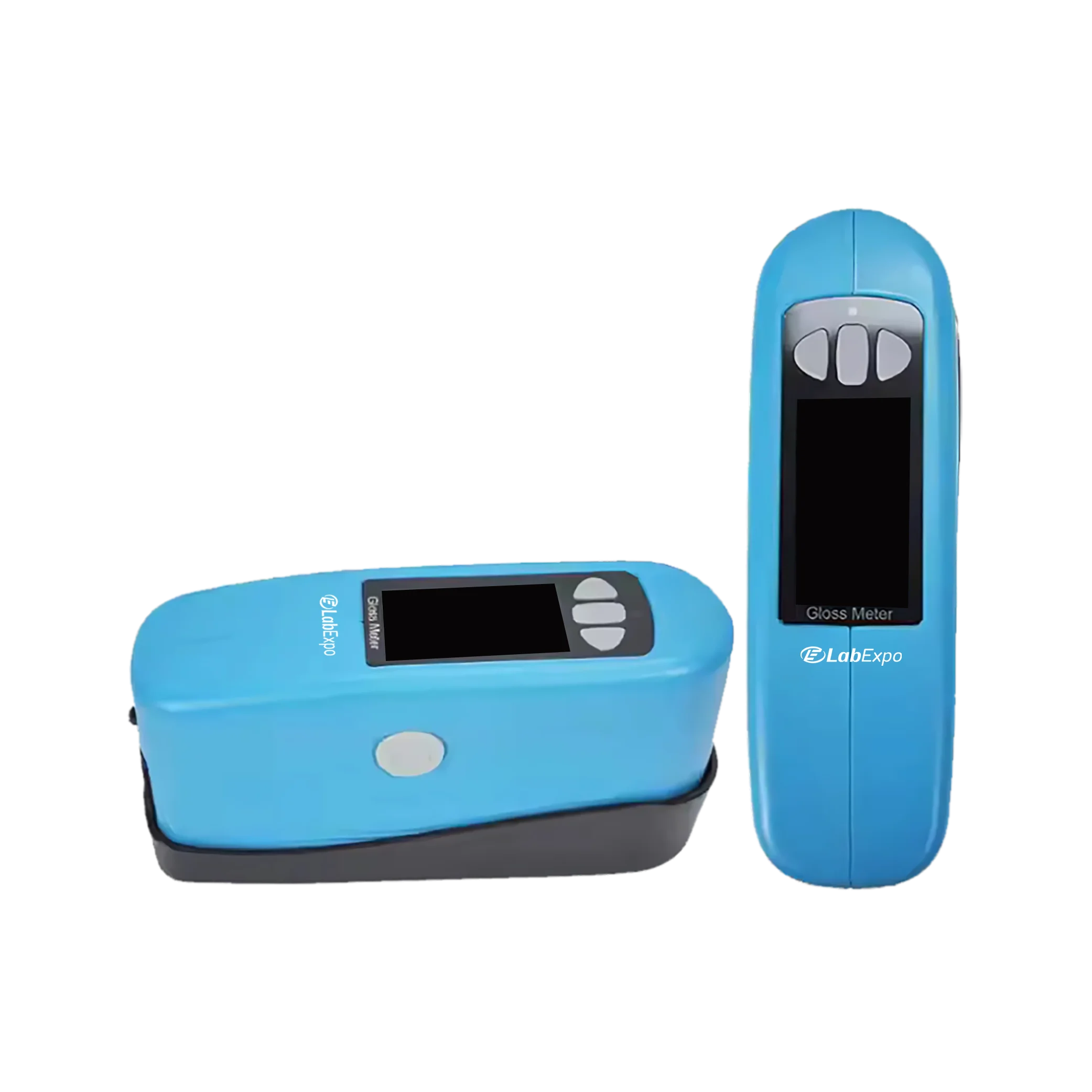
Lab Expo Gloss Meter 61-OTI103 is designed for measuring three angles 20°, 60°, and 85° ensuring precise measurements across a wide range of surfaces. It has a compact design that is lightweight and portable, ensuring effortless handling and convenient operation in any setting. Our gloss meter features USB connectivity, allowing easy data transfer to a PC for further analysis.
$3,890.00 $ 3242
| Measuring Angle | 20°, 60°, 85° |
| Measuring Range | 20°: 0–2000 GU 60°: 0–1000 GU 85°: 0–160 GU |
| Measuring Spot | 20°: 10×10 mm 60°: 9×15 mm 85°: 5×18 mm |
| Repeatability | 0–100 GU: 0.2 GU >100 GU: 0.2% GU |
| Resolution | 0–1000 GU: 0.1 GU |
| Indication Error | ±1.5 GU |
| Zero Error | 0.2 GU |
| Working Temperature | 10°C to 40°C |
| Storage Temperature | -10°C to 70°C |
| Humidity Range | |
| Power | 5 alkaline batteries/power adapter |
| Dimensions (L×W×H) | 159×49×72 mm |
| Weight | 500 g |
Function Implementation Surface analysis labs 0.1 GU resolution supports precise gloss evaluation Quality control stations ±1.5 GU indication error ensures measurement consistency Paint formulation areas 20°: 0–2000 GU measuring range enables high-gloss assessment Coating inspection sites 85°: 5×18 mm measuring spot accommodates small surface areas Industrial maintenance shops -10°C to 70°C storage temperature allows environmental resilience
Lab Expo Gloss Meter units are used for surface gloss evaluation across coatings, plastics, paper, ceramics, and finished material inspection workflows. Systems support single and multi-angle measurement at 20°, 60°, and 85° with gloss ranges extending up to 2000 GU and defined light spot configurations for varied surface types. Configurations are arranged for consistent reflectance analysis and gloss comparison, supporting quality verification and surface finish assessment in production and testing environments.


